


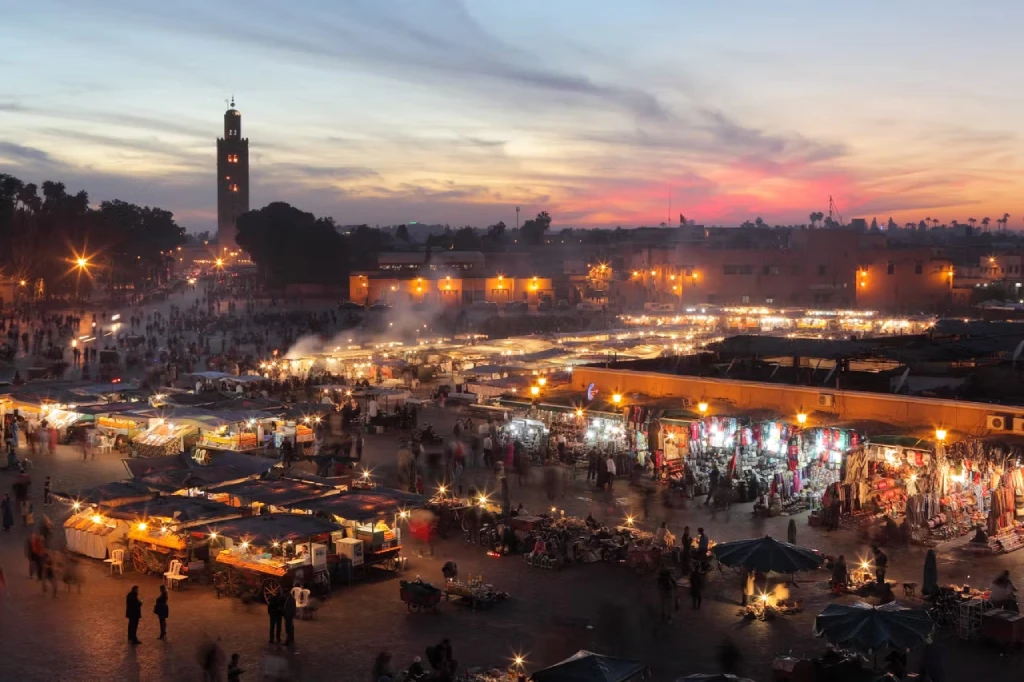
Is Morocco safe? It is the first question almost every family and couple asks us before booking, and it deserves a straight answer rather than a sales pitch. We are a local agency based in Morocco, and we have driven thousands of guests from Casablanca to the Sahara. So here is the honest version: yes, Morocco is safe for tourists, and no, it is not annoyance-free. Understanding the difference between real risk and everyday hassle is the key to a relaxed trip.
The Honest Answer: Morocco Is Stable and Tourist-Friendly
Morocco is consistently ranked among the most stable and tourist-friendly countries in Africa. Tourism is a pillar of the national economy, and the government protects it seriously: major cities like Marrakech, Fes, and Agadir have a dedicated tourism police (Brigade Touristique) that patrols the medinas and main squares. Violent crime against visitors is rare, and millions of travelers, including solo women, retirees, and families with young children, visit every year without incident. Morocco is safe for families in the way Spain or Portugal are: use normal common sense and you will be fine.
What Actually Bothers Tourists (Annoyances, Not Dangers)
Let us be honest about what does happen, because pretending Morocco has zero friction would not build your trust. Three things genuinely irritate independent travelers:
Persistent vendors
In the souks of Marrakech or Fes, shopkeepers can be insistent. It is commerce, not aggression. A firm, smiling la, shukran (no, thank you) works. On a private tour, your driver-guide walks with you, and vendors immediately shift to a respectful, professional tone when they see you are accompanied by a local.
Faux guides in the medinas
Unofficial “guides” may offer to show you the way, then demand payment or steer you to commission shops. With a licensed private guide arranged by your agency, faux guides simply do not approach you; the problem disappears entirely.
Taxi overcharging
Some city taxis quote tourists three times the meter price. On a private tour this is irrelevant: your vehicle and your dedicated driver are with you from airport arrival to departure, so you never negotiate a fare once.
Notice the pattern: these are annoyances that cost independent travelers energy and small money. None of them are dangers, and a private driver-guide neutralizes all three.
Road Safety: Why a Professional Driver Matters
The one area where we urge genuine caution is the road. Morocco’s highways are modern, but mountain routes like the Tizi n’Tichka pass in the High Atlas involve hairpin bends, occasional fog, and local driving habits that surprise foreigners. Night driving in rural areas adds unlit roads, pedestrians, and animals. This is exactly why private tour Morocco safety starts with the driver: our chauffeurs drive these roads weekly, in maintained, licensed 4x4s and Mercedes Vito vans, and we plan itineraries so that mountain and desert stretches are driven in daylight. Renting a car and self-driving the Atlas at night is the single riskiest choice a visitor can make, and it is entirely avoidable.
Safety for Women and Families
Women travelers, including those traveling with children, are welcomed warmly in Morocco. Moroccan culture is family-centered; traveling with kids often opens doors, smiles, and extra kindness. Women may receive comments in busy tourist areas, which is unpleasant but almost never escalates; dressing modestly (shoulders and knees covered) reduces attention and shows respect. On a private tour, a woman or a family is never alone in an unfamiliar street after dark: the driver drops you at your riad’s door and collects you there in the morning.
Food, Water, and Health
- Tap water: generally treated in cities, but we recommend bottled water for drinking; it is inexpensive and everywhere. We keep the vehicle stocked.
- Food: freshly cooked tagines, grills, and couscous are safe and delicious. Be selective with raw salads and street food during your first days.
- Pharmacies: excellent and abundant; pharmacists often speak French and English, and many medicines are available without prescription. Private clinics in major cities meet international standards.
- Vaccinations: no special vaccinations are required for Morocco; routine ones should simply be up to date.
Areas to Be Mindful Of
Practical, not alarming: keep phones and wallets zipped in the crowded lanes of the Marrakech and Fes medinas, as pickpocketing exists as it does in Paris or Rome. Avoid unlit medina alleys late at night if you are alone. The far southern border zones are irrelevant to tourist circuits, and standard desert itineraries to Merzouga and Zagora are fully safe and traveled daily.
Emergency Numbers in Morocco
Save these: 19 for police in cities, 15 for ambulance and fire, and 177 for the Royal Gendarmerie outside urban areas. On our tours you will likely never dial them, because your first call is always your driver and our 24/7 line.
How a Private Tour Changes the Safety Equation
Here is the honest commercial truth: most safety questions about Morocco are really questions about traveling unaccompanied. A private tour removes the variables:
- Your driver meets you inside the airport with a name sign; no taxi negotiation, no wrong pickup.
- You travel in a licensed, insured, professionally maintained private vehicle.
- Hotels, riads, and desert camps are vetted properties we work with year-round.
- You have a 24/7 WhatsApp contact with our team for anything, from a pharmacy run to a schedule change.
- You never navigate an unfamiliar city alone at night.
That is why families and couples who felt hesitant booking Morocco tell us afterwards it was among the easiest trips they have taken. Browse our private Morocco tours to see how the itineraries are built around this logic.
FAQ
Is Morocco safe for solo women?
Yes. Thousands of solo women visit each year. Expect occasional comments in tourist zones, dress modestly, and consider a private driver-guide for intercity travel; solo women are among our most frequent private tour clients.
Is the tap water drinkable?
City tap water is treated, but sensitive stomachs should stick to bottled water for drinking and teeth brushing. Bottled water is cheap and available everywhere, and we keep it in the vehicle.
Are desert camps safe at night?
Yes. Camps at Merzouga and Zagora are staffed all night, reached with experienced drivers, and host families with children constantly. The desert is one of the safest, quietest places you will sleep in Morocco.
Do I need vaccinations for Morocco?
No special vaccinations are required. Health authorities simply recommend routine vaccinations be current. Pharmacies are excellent if you need anything on the road.
What about scams?
Faux guides, inflated taxi fares, and hard-sell shops exist for independent travelers. They are irritations, not dangers, and on a private tour with a dedicated driver-guide you will simply not encounter them.
Travel Morocco With Local Confidence
Morocco rewards travelers generously, and it rewards well-organized travelers most of all. Tell us who is traveling and what you dream of seeing, and we will send you a free tailor-made itinerary and quote within 24 hours, built by locals who drive these roads every week.