


Getting the Basics Wrong
Planning a trip to Morocco looks simple online: pick a few cities, add the desert, book a riad, done. In practice, this is where most morocco trip planning mistakes start. Morocco is bigger and more logistically complex than photos suggest, and small early decisions ripple through the whole itinerary. Below are the ten mistakes we see DIY travelers make most often, and how each one is avoided when you travel with a private, licensed local team instead of stitching a trip together from search results.
1. Booking the Wrong Desert Base
This is the single most common regret we hear. Many independent travelers book a "Sahara Desert" package that actually ends in Zagora, because it's the closest desert access point to Marrakech and shows up first in searches. Zagora's dunes are modest, scattered, and honestly underwhelming compared to what people picture when they imagine the Sahara. The towering golden dunes travelers see in photos - the ones that rise 150 meters and shift color at sunrise and sunset - are at Merzouga and Erg Chebbi, a full day's drive further east. Travelers who don't research this in advance often only discover the difference after they've paid for and completed the wrong trip.
2. Underestimating Driving Distances and Times
Morocco's map is deceptive. The distance from Marrakech to Merzouga is around 560 km, but the road crosses the High Atlas via the Tizi n'Tichka pass and then the Dades and Todra gorges - meaning it routinely takes 9-10 hours, not the 6 hours a flat-map calculation might suggest. DIY planners who don't account for mountain roads, seasonal weather, and photo stops end up either rushing dangerously or missing sights they paid to see. A well-planned route breaks this drive into stages with overnight stops, not a single exhausting push.
3. Trusting Unlicensed "Guides" in the Medina
Marrakech, Fez, and Chefchaouen medinas are famous for informal "guides" who approach tourists offering directions or tours, then lead them to commission-paying shops or demand payment for unsolicited help. It's not dangerous, usually, but it wastes time, pressures travelers into purchases, and can sour a first impression of the country. Official guides in Morocco carry a government-issued badge and are booked in advance, not picked up on the street.
Logistics That Trip People Up
4. Not Booking Desert Camps Far Enough Ahead
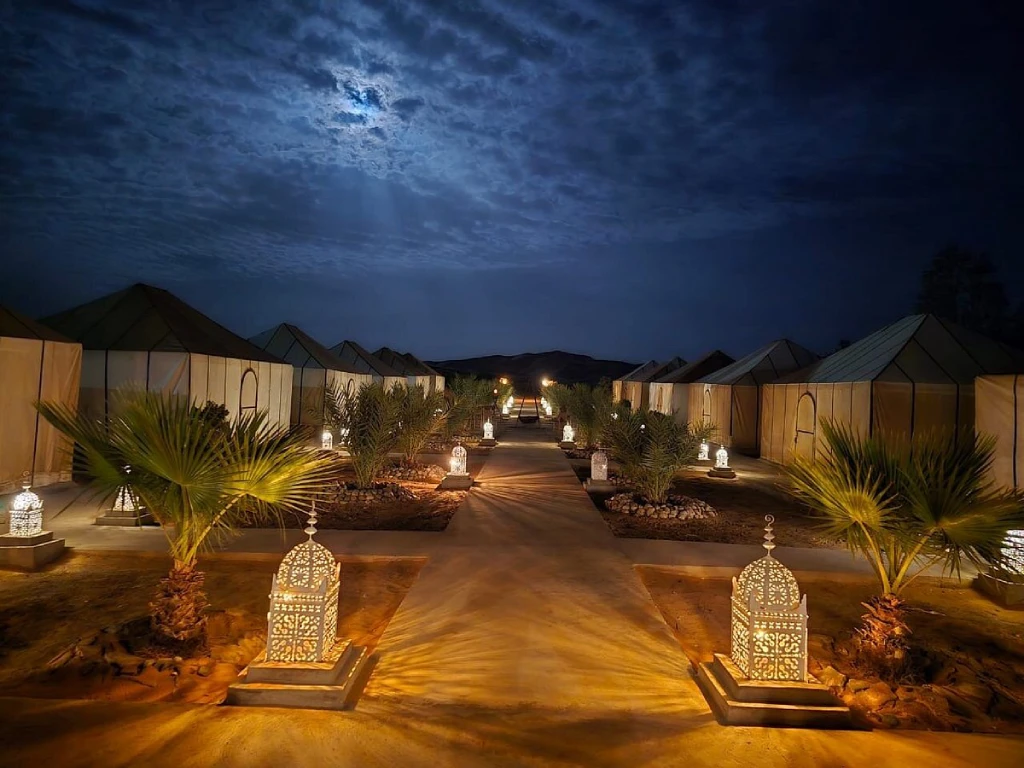
During high season - October through April, especially around holidays - the best desert camps in Merzouga and Zagora sell out weeks or even months in advance. Travelers who plan Morocco on their own often build the rest of their itinerary first and try to lock in the desert camp last, only to find their preferred dates fully booked, or worse, end up with a lower-quality camp thrown together to fill demand.
5. Packing Wrong for Temperature Swings
Morocco's climate catches people off guard. A day in the Sahara can reach 35C in the sun, then drop below 5C after sunset, since sand doesn't retain heat the way cities do. The Atlas mountain passes can be genuinely cold, even snowy, in winter and spring, while Marrakech and coastal cities stay mild. Travelers who pack for "a hot country" and leave the fleece jacket at home often spend their desert night shivering in a rented blanket.
6. Over-Scheduling the Trip
It's tempting to try to fit Marrakech, Fez, the desert, the coast, and the mountains into one 8-day trip. In reality, Morocco rewards a slower pace: long drives, rich cultural sites, and desert time all deserve room to breathe. Itineraries built without any buffer or rest days tend to leave travelers exhausted, rushing through souks and kasbahs, and unable to actually enjoy the moments they traveled for.
Money and Paperwork Pitfalls
7. Not Confirming What's Included in a Cheap Quote
A common trap: two tours look similar in price, but one includes only transport while the other includes full board, all activities, and a private guide. Independent travelers comparing quotes online often miss this until they arrive and discover meals, entry fees, or camel trekking cost extra. Always ask, in writing, exactly what a quote covers - transport, driver, guide, meals, activities, and accommodation - before comparing prices.
8. Skipping Travel Insurance
Morocco is a safe country to travel in, but long mountain and desert drives, activities like quad biking or camel trekking, and simply being far from home make travel insurance worth the modest cost. Travelers who skip it to save money are the ones who end up covering an unexpected medical bill or a missed flight entirely out of pocket.
9. Exchanging Money at the Airport
Airport currency exchange counters in Morocco - like almost everywhere - offer some of the worst rates in the country, plus added fees. Travelers who exchange a large sum right off the plane, out of convenience or anxiety, routinely lose money compared to exchanging smaller amounts at city exchange offices or withdrawing dirhams from ATMs in Marrakech, Fez, or Casablanca, where rates are noticeably better.
10. Not Researching Ramadan or Holiday Closures
Travelers who plan Morocco on their own sometimes don't check whether their dates fall during Ramadan or a national holiday. During Ramadan, many restaurants close during daylight hours, some shops keep shorter hours, and the daily rhythm of cities shifts noticeably. This doesn't mean Morocco should be avoided during Ramadan - many travelers find it a fascinating time to visit - but it does mean the itinerary and expectations need to be adjusted accordingly.
These are the most common morocco trip planning mistakes we hear about from travelers who tried to plan a trip to morocco on their own before eventually working with a local team. Avoiding every one of them takes research most people simply don't have time for. If you'd rather skip the guesswork, our private Morocco tours are built by a team that lives here, drives these roads year-round, and knows exactly which camp, which season, and which route actually delivers what travelers are hoping for.
FAQ
Is Zagora or Merzouga better for the Sahara Desert experience?
Merzouga and its Erg Chebbi dunes offer the tall, dramatic golden dunes most travelers picture when they think of the Sahara. Zagora is closer to Marrakech and can be a reasonable stop on a shorter trip, but its dunes are smaller and less impressive. If seeing genuine Sahara dunes is a priority, Merzouga is worth the extra driving day.
How far in advance should I book my Morocco trip?
For travel during high season (October-April) or around major holidays, book at least 2-3 months ahead, especially for desert camps and riads in Marrakech and Fez. For low season travel, 4-6 weeks is usually enough, though earlier is always safer for popular routes.
Is it better to exchange money in Morocco or before I arrive?
Exchanging money inside Morocco - at city exchange offices or ATMs - almost always gives a better rate than exchanging at your home airport or Morocco's airport counters. Dirhams also cannot legally leave the country, so there's little reason to arrive with large amounts already exchanged.
What should I pack for the desert?
Layer for extremes: light, breathable clothing for hot daytime sun, plus a warm jacket, fleece, or sweater for cold desert nights. Add a scarf or turban for sand and sun protection, comfortable closed shoes, sunglasses, and sunscreen.
How a Private Tour Avoids All of This
Every mistake on this list comes down to the same root problem: planning a trip to morocco from a screen, without local knowledge of roads, seasons, camps, and customs. A private tour removes that guesswork entirely. Your driver knows the real drive times. Your guide is licensed and pre-arranged, so no one approaches you in the medina. Your desert camp is booked, confirmed, and matched to the season. Your itinerary is paced with rest built in, and your quote spells out exactly what's included before you pay a dirham. Explore our customized tours and let a local team turn these ten common mistakes into ten things you never have to think about.